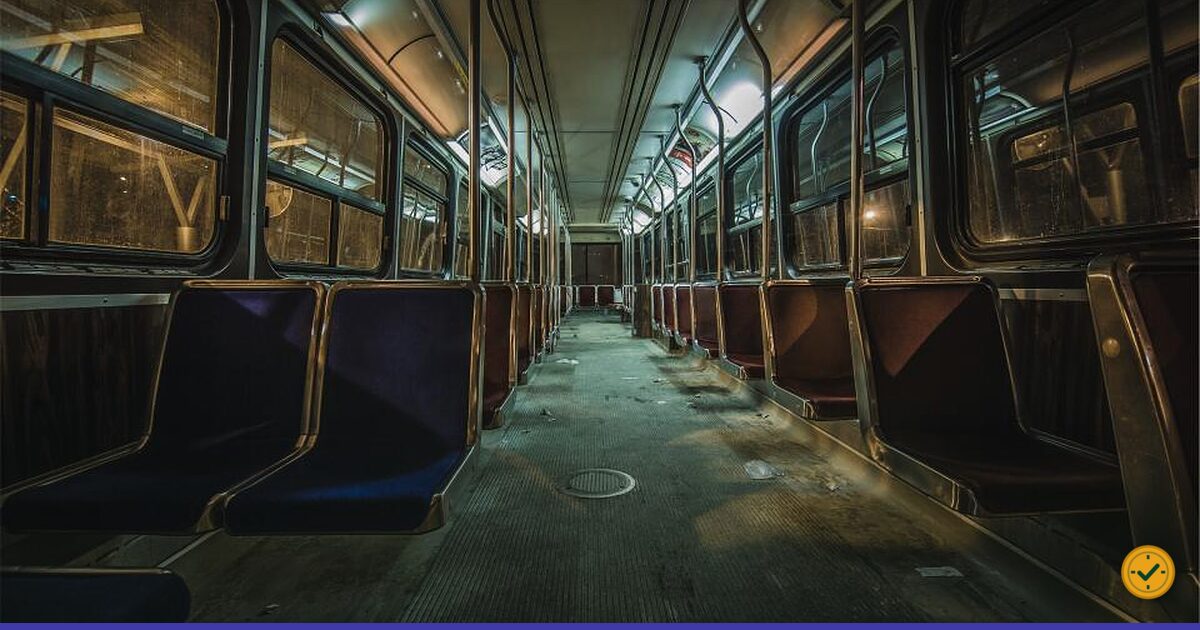
- Coach travel is consistently the cheapest way to cross the UK.
- Book weeks ahead for the lowest fares — they rise steeply near departure.
- Local bus fares are capped in parts of the UK and free for some passengers.
Coaches are unfashionable and consistently the cheapest long-distance option in Britain, often by a wide margin. The trade-off is time. If you have more of that than money, the sums are compelling.
Long-distance coach travel
Book early
Coach pricing works like airline pricing: cheap seats are released well in advance and sell first. Booking a few weeks ahead rather than on the day is the single biggest lever on the fare.
Midweek departures and unsociable hours are cheapest. Overnight services also save a night’s accommodation, though arriving at dawn after limited sleep is not for everyone.
Railcards and coachcards
The main coach operators sell their own discount cards for young people, students and older travellers, giving a substantial percentage off. If you take more than a couple of journeys a year, they pay for themselves quickly.
Check whether your existing railcard has any coach equivalent, and whether student or Blue Light discounts apply.
What to check
- Luggage allowance — usually generous compared with budget airlines, but check for oversized items.
- The actual journey time, including changes. A cheap fare with a three-hour wait at a service station is a different proposition.
- Where it drops you. Some services use out-of-town stops that need onward travel.
- Flexibility. The cheapest tickets are usually non-refundable and non-changeable.
Local buses
Fare caps
Single fares on most local bus services in England have been subject to a government-backed cap, with similar schemes in other nations. The cap has changed level over time and is extended periodically, so check the current position — but it means a long local journey can cost the same as a short one.
Free and discounted travel
- Older people’s passes: free off-peak local bus travel in England from State Pension age, and more generous schemes in Scotland, Wales and Northern Ireland. Apply through your council or transport authority.
- Disabled person’s passes, with a companion pass in some areas.
- Young person’s schemes: Scotland offers free bus travel to under-22s, and other areas have discounted young person’s fares. Check what applies locally.
- Jobseeker discounts operate in some regions.
These are widely under-claimed simply because people do not know they exist. Check your local transport authority’s website.
Day, weekly and monthly tickets
If you make more than two journeys in a day, a day ticket is usually cheaper than singles. For regular travel, weekly or monthly passes cut the per-journey cost substantially. Many operators now cap fares automatically if you tap the same contactless card all day — check whether your local network does, because it means you get the best price without buying anything in advance.
Comparing coach against train
Do not assume. Trains booked far in advance with a railcard can undercut coaches, particularly on competitive intercity routes. Coaches almost always win for last-minute travel, and for routes where rail requires several changes.
Compare on: total door-to-door time, the fare including any railcard, luggage, and whether you can use the travel time productively. A train you can work on may be worth the extra.
Practical points
- Take food and a refillable water bottle — service station prices are high.
- Charge devices beforehand; onboard power is not guaranteed to work.
- Arrive early at busy coach stations, which can be chaotic.
- Keep valuables with you rather than in the hold.
- Check for engineering works and diversions on the day.
Worth doing
Before your next long domestic journey, price all three — coach, advance train with a railcard, and driving including fuel and parking. The gap is often larger than people expect, and it varies by route in ways that are not intuitive.
Fare caps, concession schemes and eligibility change regularly and differ across the four nations. Check the current position with your local transport authority before relying on any specific figure.