- Switching supplier is only half the job — how you use energy matters just as much.
- Heating and hot water dominate the bill. Everything else is rounding.
- The biggest wins cost nothing: thermostat settings, draughts and timers.
Energy is the bill most households feel hardest, and it is also the one where small changes compound fastest. The trick is knowing where the money actually goes, because it is not where most people assume.
Start with the meter, not the tariff
Before you change anything, take a meter reading and find your annual consumption in kWh. It is on your bill or in your online account. This single number tells you whether you have a usage problem or a tariff problem — and they need different fixes.
If your usage is well above typical for your household size, no tariff switch will rescue you. Fix the usage first.
Heating: where most of the money goes
Space heating and hot water typically account for the large majority of a home’s energy use. That makes the thermostat the most powerful control in your house.
- Turn the thermostat down a degree. Most people cannot feel a single degree, but the boiler runs noticeably less. This is the single highest-value change available to you and it is free.
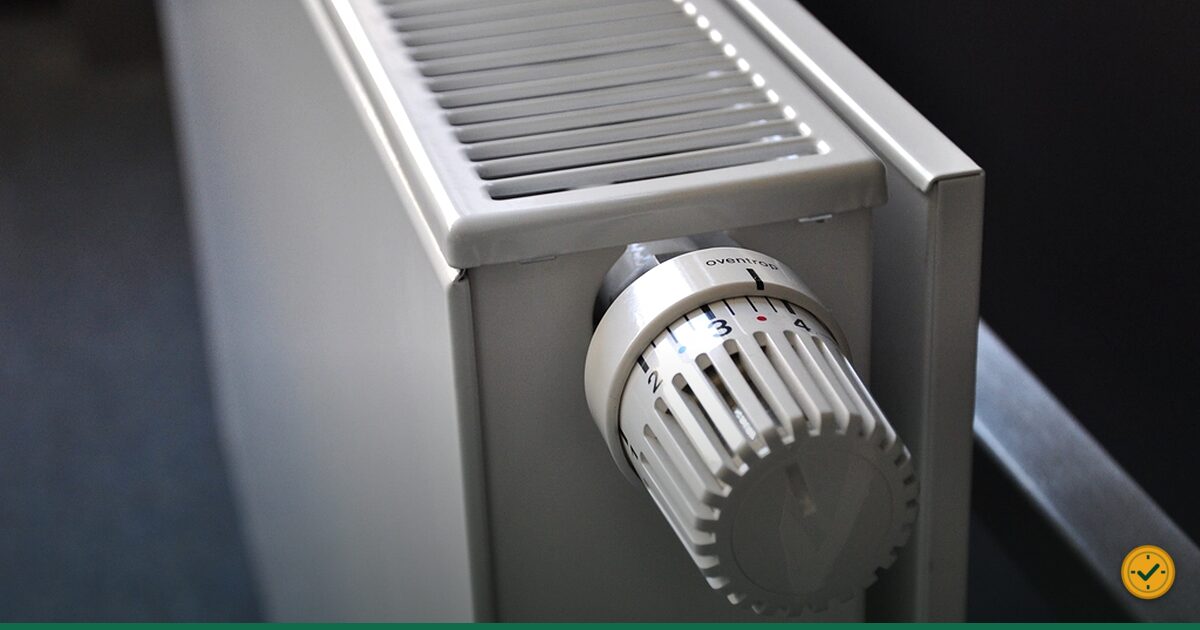
- Heat rooms you use, not rooms you don’t. Turn radiator valves down in spare rooms. Do not turn them fully off in winter — cold, unventilated rooms grow damp.
- Use the timer properly. Heating a house from cold twice a day usually beats leaving it ticking over, unless your home is exceptionally well insulated. Set it to come on shortly before you need it and off before you leave or sleep.
- Check your hot water temperature. Cylinders only need to be hot enough to be safe and useful. Scalding-hot water is wasted energy, though do not set it so low that bacteria become a risk — around 60°C in the cylinder is the usual guidance.
Draughts: the cheapest fix in the house
Warm air escaping is money escaping. On a windy day, walk round with a lit candle or a damp hand and find the draughts.
- Letterbox, keyhole and cat flap — all cheap to seal.
- Gaps under doors, especially external ones.
- Unused chimneys, which pull warm air out constantly. A chimney balloon costs very little.
- Floorboard gaps and skirting board edges in older homes.
Draught-proofing materials cost a few pounds and pay for themselves within a single winter. Do not seal air bricks or extractor vents — those are there deliberately.
Room by room
Kitchen
The fridge and freezer run permanently, so they matter more than their power rating suggests. Keep the coils at the back clear of dust, do not push the appliance flat against the wall, and defrost the freezer when ice builds up. A freezer that is fairly full runs more efficiently than an empty one.
Batch cook where you can. One oven session for three meals beats three oven sessions. For small portions, a microwave, air fryer or hob costs far less to run than heating a full oven cavity.
Bathroom
Showers are usually cheaper than baths, but a long power shower is not. A water-efficient shower head and a few minutes less under it cuts both your energy and water bills at once. If you are on a water meter, this counts twice.
Living room
Standby draw on modern electronics is small but constant. It is not the fortune it is sometimes made out to be, but a single switched extension lead for the TV setup costs nothing to use and removes the question.
Close curtains at dusk. Glass is the weakest point in most walls, and curtains are free insulation you already own.
Laundry
Washing at a lower temperature uses substantially less energy, and modern detergents are formulated for it. Reserve hot washes for genuinely soiled loads.
Tumble dryers are among the most expensive appliances in the house to run. Drying on an airer costs nothing. If you must use a dryer, run full loads and spin the wash at a high speed first — the spin is far cheaper than the heat.
Now look at the tariff
Once your usage is sensible, compare tariffs. Take your annual kWh figures for gas and electricity and use them in a comparison site — estimates based on house size are much less accurate than your real numbers.
Whether fixing is worth it depends on where prices are heading, which nobody can promise. A fix buys certainty rather than guaranteed savings. Decide which of those you actually want.
Also check how you pay. Monthly direct debit is normally the cheapest option, and paying on receipt of bill often costs more.
Do not leave help unclaimed
There are schemes for households on low incomes or certain benefits — help with insulation, bill support and cold weather payments among them. Eligibility rules change, so check the current position on GOV.UK and with your own supplier. Suppliers also have hardship funds that are not always advertised prominently.
If you are struggling to pay, tell your supplier before you fall behind. They are obliged to work with you on a payment plan, and the options are far better while the account is current.
What to do this week
- Find your annual kWh usage.
- Drop the thermostat by one degree and check the timer.
- Spend an hour draught-proofing.
- Compare tariffs using your real usage figures.
- Check whether you qualify for any support scheme.
Prices, caps and schemes change regularly. Always confirm current figures with Ofgem, GOV.UK or your supplier before making a decision.