- Reductions deepen through the day, with the deepest in the final hours.
- Freeze on the day of purchase, not the use-by date.
- Ask staff when your branch does reductions — they will usually tell you.
Supermarkets have to clear stock approaching its date, and they discount it rather than bin it. If your timing is right, it is the cheapest food in the shop — often the same items you were going to buy at full price.
How the timing works
Most stores reduce in waves through the day, cutting deeper each time. A rough pattern:
- Late morning — first, modest reductions appear. Best selection, smallest discount.
- Early to mid afternoon — a second wave, deeper.
- Final hours before closing — the deepest cuts, often dramatic. Least choice, best price.
The trade-off is always selection against discount. Going early gets you what you want; going late gets you the price.
Just ask
Times vary considerably by chain, by branch and by day. The most efficient thing you can do is ask a member of staff what time their store does its final reductions. They will normally tell you plainly, and knowing your own local pattern beats any general rule.
Smaller convenience branches and stores in quieter locations often reduce more heavily, simply because they have less footfall to clear the stock.
Where to look
Reduced items are sometimes gathered in one chiller, and sometimes left in place with a sticker. Check both. Also worth knowing:
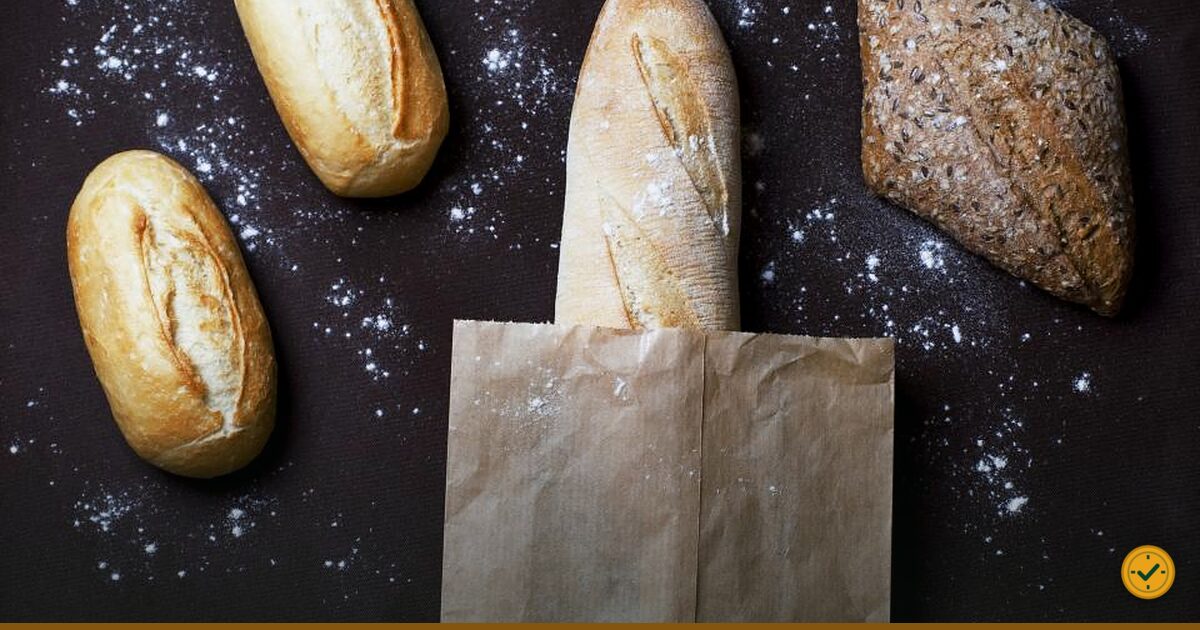
- Bakery items are usually reduced late in the day and are excellent for freezing.
- Meat and fish carry the largest absolute reductions because they are the most expensive.
- Fresh produce is often reduced in bags rather than individually.
- Chilled ready meals and sandwiches drop hard near closing.
Understand the dates
This matters for safety as much as saving.
- Use by is a safety date. Do not eat the food after it, but you can freeze it on or before that date and eat it later.
- Best before is a quality date. Food is usually perfectly safe afterwards, though it may have declined in texture or flavour. Judge it yourself.
The key point for yellow sticker shopping: freezing stops the clock. Buy on the use-by date, freeze that day, and you have a normal frozen product.
Freeze it properly
- Freeze on the day you buy it, while it is still in good condition.
- Portion before freezing, so you defrost only what you need.
- Label with the contents and the date frozen.
- Defrost in the fridge overnight, not on the counter.
- Do not refreeze food that has been defrosted, unless you have cooked it in between.
Almost everything freezes: bread, milk, cheese, cooked rice cooled quickly, most meat and fish. Things that do not freeze well include salad leaves, whole eggs in shell, and anything with a high water content you plan to eat raw.
The discipline part
Yellow sticker shopping fails in one specific way: buying reduced food you do not want, will not use, and eventually throw away. That is not a saving, it is a slower form of waste.
Rules that keep it honest:
- Only buy things you actually eat.
- Only buy what you have freezer space for.
- Have a plan for each item before it goes in the trolley.
- Do not build a whole shop around it — treat it as a bonus on top of a normal list.
Apps that do the same job
Several apps sell surplus food from shops, cafes and restaurants at a large discount, usually as a surprise bag near closing time. The value is generally good, though you take what you are given. Worth checking what operates in your area.
Some supermarkets also run their own surplus schemes, and community pantries and food redistribution projects operate in many towns.
A note on etiquette
Staff are doing a job under time pressure, and other shoppers are looking for the same things. Do not crowd the person applying stickers, do not take items from their trolley, and leave some for everyone else. It costs nothing to be decent about it.