- The average UK household throws away a significant share of the food it buys.
- Best before is a quality date, not a safety date.
- Storing food correctly buys you days or weeks for free.
Food waste is money you have already spent going straight into the bin. It is invisible on the receipt, which is why it persists — nobody ever sees a line item for it.
Reducing it requires no sacrifice at all. You eat the same food; you just eat it instead of binning it.
Learn the dates properly
This is the largest single cause of unnecessary waste, and it comes from a genuine misunderstanding.
- Use by is about safety. Do not eat food after this date. It appears on things like raw meat, fish and some dairy. You can, however, freeze it right up to and including that date.
- Best before is about quality. The food is generally safe afterwards — it may simply be less good. This appears on tins, dried goods, biscuits, and much fresh produce.
Enormous quantities of perfectly good food are discarded because of a best-before date. Use your senses instead: look at it, smell it, and for many things taste a little. That is what the date is approximating.
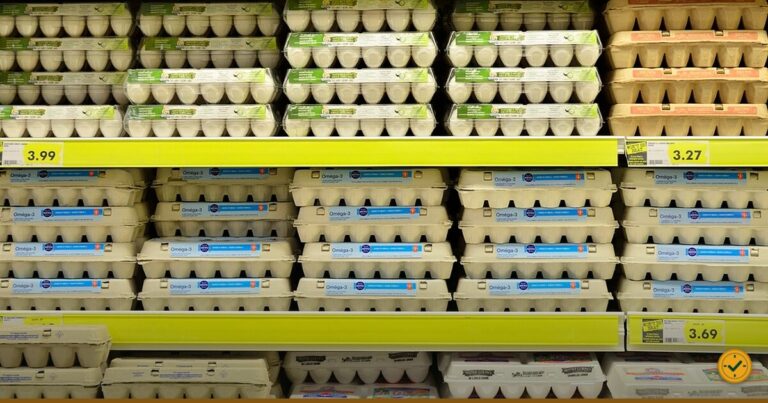
Eggs are the common worry. A simple test: place an egg in water. If it sinks and lies flat it is fresh; if it stands upright it is older but usually fine cooked through; if it floats, discard it.
Store things where they actually belong
Correct storage can double how long food lasts, at no cost.
- Check your fridge temperature. It should be around 5°C or below. Many home fridges run warmer than the owner assumes, and every degree costs you shelf life. A cheap fridge thermometer settles it.
- Bread goes stale faster in the fridge. Keep it in a bread bin, or freeze it sliced and toast from frozen.
- Potatoes, onions and garlic want a cool, dark, dry place — not the fridge, and not next to each other. Onions make potatoes sprout.
- Tomatoes and stone fruit lose flavour in the fridge. Keep them out until ripe, then refrigerate to hold them.
- Herbs last far longer standing in a glass of water, or wrapped in a damp cloth in the fridge.
- Bananas release ethylene and ripen everything near them. Keep them separate.
- Salad leaves last longer in a box with a piece of kitchen roll to absorb moisture.
Use the freezer as a pause button
The freezer is the most underused appliance in most kitchens. Nearly everything freezes.
- Milk, cheese (grate hard cheese first), butter and cream.
- Bread, cakes and pastry.
- Cooked rice and pasta, cooled quickly and frozen promptly.
- Herbs chopped into ice cube trays with a little oil or water.
- Wine, in cubes, for cooking.
- Leftover portions of anything you have cooked.
Freeze in portions, label with contents and date, and keep a list on the door so you know what is in there. An unmanaged freezer just delays the waste.
Organise the fridge so nothing hides
Most waste is food that was forgotten rather than food that was rejected.
- Keep an “eat me first” box or shelf at eye level for anything near its date.
- Put new shopping behind the old, not in front.
- Decant leftovers into clear containers, not opaque ones.
- Do the fridge check before writing the shopping list, every time.
Cook to use things up
A few formats absorb almost anything:
- Soup for tired vegetables.
- Frittata for odds and ends of vegetables, cheese and cooked potato.
- Stir fry for anything crisp.
- Stock from bones, carcasses and vegetable trimmings kept in a freezer bag.
- Bread that has gone stale becomes breadcrumbs, croutons or bread and butter pudding.
- Overripe fruit becomes smoothies, crumble or a quick compote.
Designate one meal a week — the night before the shop works well — as a use-things-up meal. It becomes a habit rather than a chore.
Buy in a way that produces less waste
- Buy loose where you can, so you take the quantity you need rather than the pack size.
- Be honest about bulk offers. Three for two on something perishable is only a saving if you eat all three.
- Shop more often for fresh items if your routine allows it.
- Check dates at the back of the shelf for items you will use slowly.
Portion honestly
A lot of waste happens on the plate rather than in the fridge. Weigh rice and pasta rather than guessing — most people substantially overestimate. Serve slightly less and go back for more if wanted.
What is left over
Anything genuinely inedible should go to food waste collection or a compost bin rather than landfill, where it produces methane. Many councils collect food waste separately.
And if you regularly have surplus, community fridges and food sharing apps let you pass it on rather than bin it.