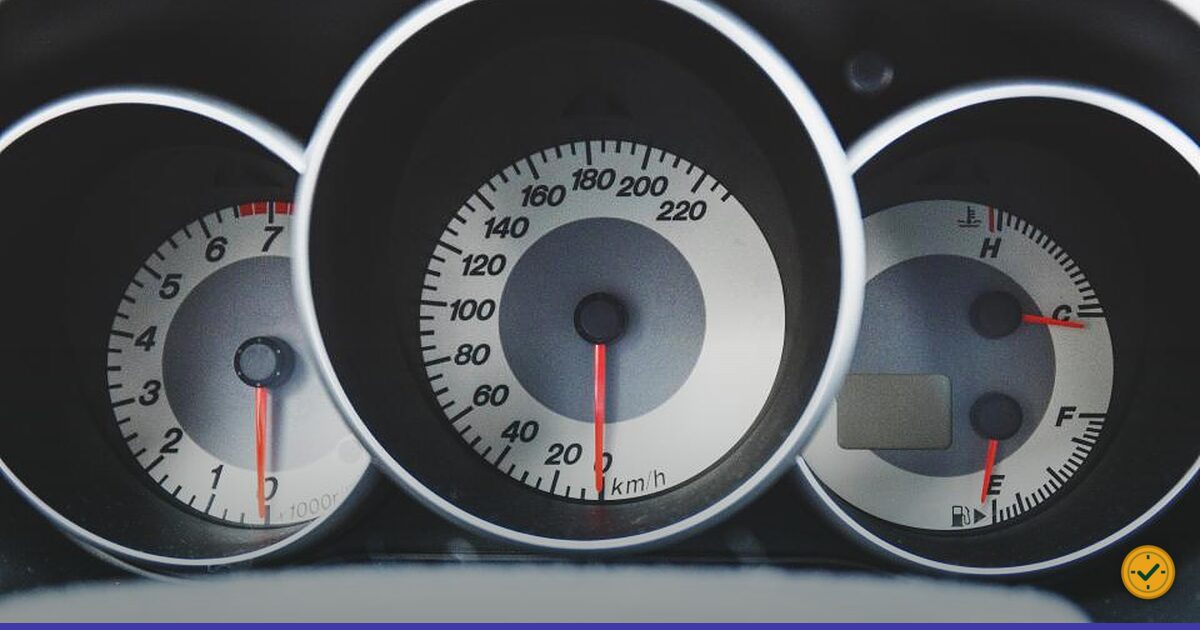
- How you drive affects consumption more than which fuel station you use.
- Supermarket forecourts and comparison apps find the cheapest local price.
- Carrying weight and under-inflated tyres cost real money.
Fuel is a large, recurring cost that most drivers treat as fixed. It is not. There are two levers: paying less per litre, and using fewer litres. The second is usually the bigger one.
Find the cheapest fuel near you
Prices vary considerably between stations within a few miles, and there is no relationship between price and quality for standard fuel.
- Use a fuel price comparison app or site. Several show live local prices. Retailers are now required to publish price data, which has made these more reliable.
- Supermarket forecourts are generally cheaper than motorway services and standalone branded stations, though not always the cheapest in an area.
- Motorway services are the most expensive by a wide margin. Leave the motorway if you can plan ahead.
- Do not drive far to save. A detour to save a couple of pence per litre can cost more in fuel than it saves. The rule only applies to stations you pass anyway.
Premium fuels are worth it only for the small number of vehicles that specifically require them. Check your handbook rather than the marketing.
Drive in a way that uses less
This is where the significant savings are, and it costs nothing.
- Ease off the accelerator. Fuel consumption rises sharply with speed. Driving at 70mph uses noticeably more than 60mph over the same distance.
- Anticipate rather than react. Look far ahead, ease off early and roll towards queues instead of accelerating up to them and braking. Every time you brake, you are throwing away fuel you have already burned.
- Change up early. Higher gears at lower revs use less. Most modern cars have a gear shift indicator; follow it.
- Keep moving smoothly. Stop-start driving is far more expensive than steady progress.
- Avoid excessive idling. Modern engines do not need warming up while stationary. Drive off gently instead.
Reduce what the car has to carry and push
- Check tyre pressures monthly. Under-inflated tyres increase rolling resistance and consumption, and they wear out faster. It takes five minutes and is free at most forecourts. Use the pressures in your handbook, adjusted for load.
- Take the roof box and bars off when you are not using them. Aerodynamic drag is significant at speed — this is one of the largest single wins available.
- Empty the boot of things you are carrying around permanently.
- Use air conditioning sensibly. It uses fuel, but at higher speeds open windows create enough drag that air con is often the more efficient option. At low speeds, open the windows.
Keep it serviced
A poorly maintained engine uses more fuel. Regular servicing, clean air filters and the correct grade of oil all contribute. Servicing is not free, but neglect costs more over time and hurts the resale value.
Cut the mileage itself
The cheapest fuel is the fuel you do not buy.
- Combine trips. Several short journeys from cold use disproportionately more fuel than one longer trip covering the same errands.
- Consider whether short journeys need the car at all. A meaningful share of car trips are under two miles.
- Share the commute where colleagues live nearby.
- Plan routes to avoid known congestion. Sitting in traffic burns fuel and produces nothing.
The other running costs worth attacking
Fuel is not the whole picture:
- Insurance. Never auto-renew. Shop around every year, and check the renewal quote against new-customer prices.
- Breakdown cover. Frequently auto-renews at an inflated price. Compare annually, and check whether your bank account or insurance already includes it.
- Parking. Apps and season permits often beat pay-and-display, and park-and-ride can beat city centre rates comfortably.
- Servicing. Independent garages are usually cheaper than main dealers, and using one does not invalidate a manufacturer warranty provided the work meets the specified schedule and uses appropriate parts.
If you are considering changing car
Running costs vary enormously between models. Before buying, compare real-world fuel consumption, insurance group, road tax band and typical servicing costs — not just the purchase price. A cheaper car with poor economy and a high insurance group can cost more overall.
For high-mileage drivers, the maths on hybrid or electric can work well, but it depends heavily on your mileage, whether you can charge at home, and the price you pay for electricity. Do the calculation for your own circumstances rather than relying on general claims.