- Cheap items replaced repeatedly cost more than one good one.
- Cost per use is the number that matters, not the price tag.
- The rule does not apply to everything — know where it breaks.
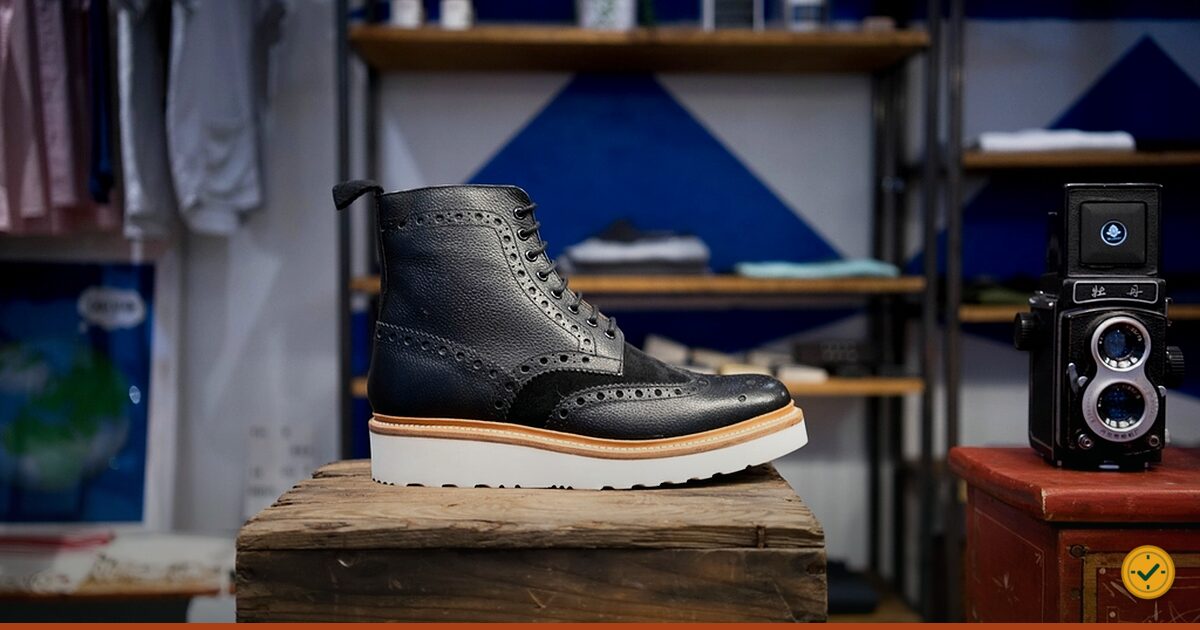
There is a well-known observation, usually credited to a Terry Pratchett character, that a poor man buys cheap boots that last a season and a wealthy man buys good boots that last years — and ends up spending less while having dry feet throughout.
It is a real effect, and it is worth understanding both where it holds and where it does not.
Cost per use, not price
The only sensible comparison is what an item costs per use over its life.
A pair of boots at £40 that survives one winter costs £40 a year. A pair at £150 that lasts eight years costs under £20 a year, and is more comfortable throughout. The expensive pair is the cheap one.
The catch is the upfront cost. If you cannot afford £150 today, this reasoning is no help — which is exactly the trap the original observation was describing. Being short of money is itself expensive.
Where buying well genuinely pays
Things used daily
Anything you touch every day earns its quality. Mattresses, desk chairs, shoes, a decent coat, kitchen knives, a frying pan. High use exposes poor construction quickly, and the comfort difference is felt constantly.
Things under mechanical stress
Tools, luggage with wheels and zips, bike components, garden equipment. Moving parts and load are where cheap manufacturing fails first.
Things where failure is expensive
A cheap roof, cheap tyres, a cheap boiler installation. The failure costs far more than the saving, and in some cases carries a safety risk. Tyres in particular are not a place to economise.
Things that are repairable
An item with available spare parts can last decades. Check before buying whether parts exist, whether the manufacturer sells them, and whether it can be opened without destroying it. Repairability is a genuine long-term saving that rarely appears in the marketing.
Where the rule breaks down
Buying expensive is not automatically buying well. Be careful with:
- Things you will outgrow or stop using. Children’s clothes and shoes, equipment for a hobby you have just started. Buy cheap or second-hand until the interest proves durable.
- Fast-moving technology. A premium phone is not going to last three times as long as a mid-range one. Software support periods matter far more than build quality here.
- Fashion-led items. If you will tire of it, longevity is irrelevant.
- Brand premium with no substance. In many categories the expensive and mid-range products come off the same production line. Read reviews about durability specifically, not about the unboxing.
- Things you rarely use. A tool used twice a decade should be cheap, borrowed or hired. Many areas now have tool libraries.
How to tell quality from price
- Look for long warranties. A manufacturer offering ten years has costed the failure rate. It is one of the few honest signals available.
- Read reviews written a year later, not on arrival. Sort reviews by most recent and look for reports of things breaking.
- Check for replaceable parts. Removable batteries, available seals, standard fixings.
- Look at materials and construction. Metal fixings over plastic clips, stitched over glued, solid wood over particle board in furniture that will be moved.
- Ask what professionals use. Trade versions of tools and equipment are built for daily abuse and are often not much more expensive.
Ways to buy well for less
- Buy quality second-hand. A well-made item at ten years old often has more life left than a new cheap one. This is especially true of furniture, tools and kitchen equipment.
- Buy ex-display or refurbished with a warranty.
- Wait for the end of season and buy the good version at the cheap version’s price.
- Buy one at a time. Replace things as they fail rather than all at once, and put the quality version in each time.
The honest summary
Buy well where you use something constantly, where failure is costly, and where the item can be repaired. Buy cheaply where your needs will change, where technology moves fast, or where you will barely use it.
And be sceptical of using this principle as a justification. “Buy it for life” is also an excellent marketing line for selling people expensive things they did not need. The cheapest option remains not buying it at all.