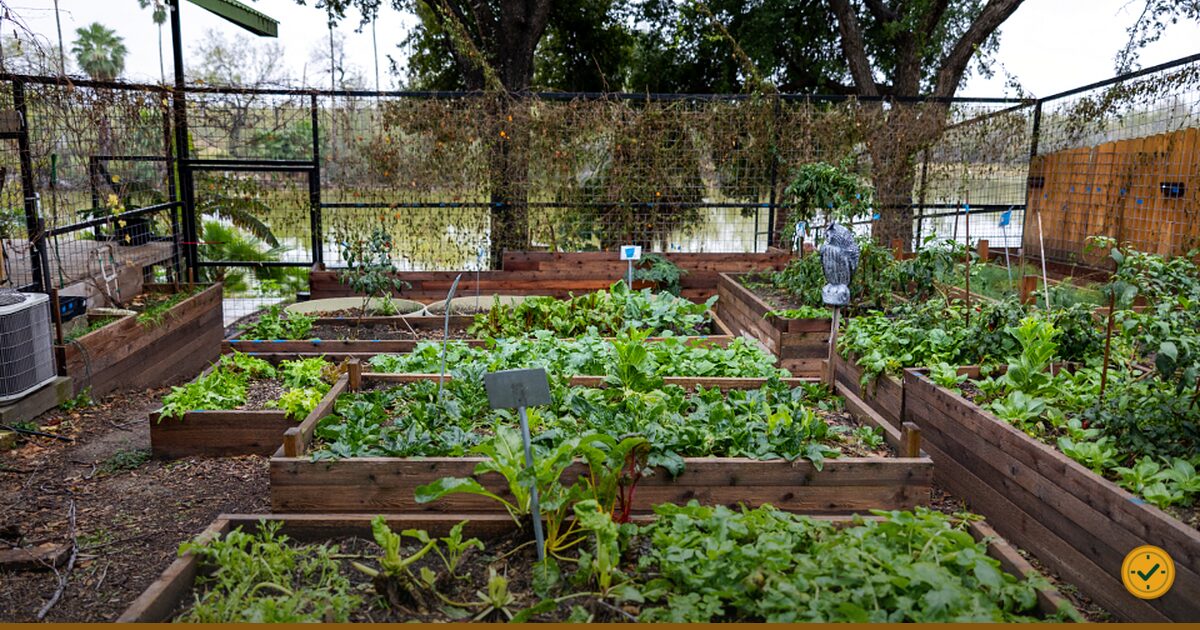
- Herbs, salad leaves and courgettes repay the effort; potatoes and onions rarely do.
- Start small — most people give up after over-committing in year one.
- Setup costs can wipe out several years of savings if you buy everything new.
Growing your own food is often presented as an obvious saving. It can be, but only for certain crops. Grow the wrong things and you will spend more on compost, seed and equipment than the produce was worth.
The rule is simple: grow what is expensive to buy, quick to crop, and best eaten fresh. Buy the things that are cheap, slow, and store well.
Genuinely worth growing
Herbs
The clearest win of all. A supermarket packet of fresh herbs costs a surprising amount, wilts within days, and is mostly thrown away. A pot of mint, parsley, chives, rosemary or thyme on a windowsill produces for months or years.
Perennial herbs — rosemary, thyme, sage, mint, chives — are the best value because you plant once.
Salad leaves
Cut-and-come-again salad is expensive to buy, spoils fast, and grows in a window box in weeks. Sow a short row every fortnight for a continuous supply.
Courgettes
Almost comically productive. Two plants will feed a household and then some. Low effort, high yield.
Runner and climbing beans
Crop heavily over a long season in a small footprint, and freeze well.
Tomatoes
Worth it for flavour more than pure economics, but a decent yield from pots or a growbag in a sunny spot. Cherry varieties are the most reliable.
Soft fruit
Raspberries, blackcurrants and rhubarb are expensive to buy and, once established, produce for years with little attention. Rhubarb in particular is close to indestructible.
Spring onions, radishes and chard
Fast, small, and productive over a long window.
Usually not worth it
- Main crop potatoes. Cheap to buy, need a lot of space, and store well anyway. Early new potatoes are a possible exception for flavour.
- Onions and garlic. Very cheap, occupy ground for most of the year.
- Carrots. Cheap, and fiddly to grow well in most soils.
- Sweetcorn. Needs a decent block of space for a modest yield.
- Brassicas. Long-occupying, and heavily targeted by pests and pigeons.
Keeping the setup cost down
This is where the economics are won or lost. Buying raised beds, a greenhouse, tools and bagged compost new will cost more than years of produce.
- Save seed from year to year for open-pollinated varieties, and join a local seed swap.
- Use containers you already have — buckets, boxes, old pots. Anything with drainage holes works.
- Make compost rather than buying it. A simple bin from pallets costs nothing.
- Take cuttings and divisions from friends’ plants. Mint, rosemary and rhubarb propagate easily.
- Collect rainwater in a butt, particularly if you are on a water meter.
- Buy tools second-hand. Older tools are usually better made.
- Check for a local council or community scheme — many offer subsidised compost bins and water butts.
No garden?
Plenty is possible without one:
- Windowsill herbs and salad leaves.
- Balcony containers for tomatoes, chillies and beans.
- An allotment — rents are usually modest, though waiting lists in some areas are long. Join the list now even if you are unsure; it costs nothing to wait.
- Community gardens and growing projects, which often welcome help and share produce.
- Sprouting seeds and microgreens indoors, which need no light beyond a windowsill.
Be realistic about year one
The commonest failure is enthusiasm. People dig over a large plot in March, plant everything, and abandon it by July when the watering and weeding become a chore.
Start with three pots: a herb, some salad, and one courgette plant. If you enjoy it and keep it going, expand next year. The savings are real but modest — the reason most people continue is that they like doing it, and that is a perfectly good reason.