- Frozen and tinned produce is nutritionally comparable to fresh and costs less.
- Pulses, eggs, oats and seasonal vegetables are the cheapest good calories available.
- “Healthy” branding is a price premium, not a nutritional guarantee.
There is a persistent idea that eating well is expensive. Some of it is true — the premium end of the health food market is very expensive indeed. But the genuinely nutritious staples are among the cheapest things in the shop, and always have been.
This is general information about food costs, not dietary or medical advice. If you have specific health conditions or dietary requirements, speak to a GP or dietitian.
Where the value is
Pulses
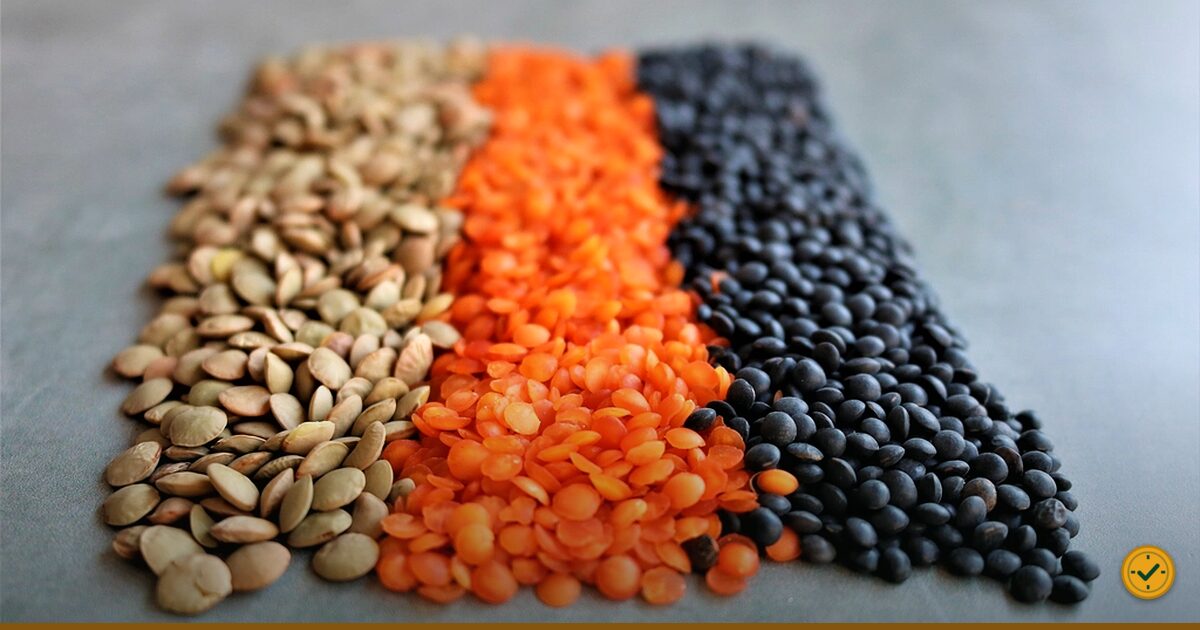
Dried lentils, split peas, chickpeas and beans are the cheapest source of protein and fibre available, by a wide margin. Dried costs a fraction of tinned; tinned is still cheap and needs no planning.
Substituting pulses for some of the meat in a bolognese, chilli, curry or stew cuts the cost noticeably and increases the fibre. Most people do not notice the difference in a well-seasoned dish.
Eggs
Cheap, filling, quick, and one of the most complete protein sources there is.
Oats
Extremely cheap per portion, high in fibre, and filling for hours. Porridge is one of the lowest-cost breakfasts available, and far cheaper than the same oats sold as branded cereal.
Frozen vegetables and fruit
This is the one that surprises people. Frozen produce is picked and frozen quickly, which preserves nutrients well — in some cases better than fresh produce that has spent days in transit and on a shelf.
It is cheaper, does not spoil, comes pre-prepared, and produces no waste. Frozen peas, spinach, sweetcorn, mixed vegetables and berries are all excellent value.
Tinned fish
Sardines, mackerel and pilchards are inexpensive and rich in the oily fish nutrients dietary guidance recommends. Tinned tuna is cheap but is not an oily fish for these purposes.
Seasonal vegetables
Root vegetables, cabbage, onions and squash in season are among the cheapest things in the shop. Buy loose rather than pre-packed and take only what you need.
Tinned tomatoes and dried spices
The backbone of a cheap store cupboard. Spices bought in larger bags from world food aisles or shops cost a fraction of the supermarket jars.
Where the money leaks
- Anything pre-prepared. Chopped vegetables, grated cheese, portioned snacks. You are paying a large premium for two minutes of work.
- “Health” branding. Protein bars, superfood powders, wellness drinks. Usually expensive and rarely necessary. A bag of porridge oats and a tin of lentils will do more for most people.
- Meat as the centre of every meal. The single largest lever in most household food budgets.
- Bottled water, where tap water is safe and free.
- Single-portion packaging of anything.
- Branded versions of commodity items. Flour, oats, rice, tinned pulses — own-brand is essentially identical.
Practical ways to spend less and eat better
- Make pulses the base and meat the flavour. Half the mince, a tin of lentils, same dish.
- Buy frozen for anything you will cook rather than eat raw.
- Cook from scratch where it is quick. Not everything — but a lentil soup or a tomato pasta sauce takes twenty minutes and costs pennies.
- Batch cook and freeze, so the cheap option is also the convenient one on a tired evening.
- Buy whole and break it down. A whole chicken gives a roast, leftovers and stock.
- Use the world food aisle for rice, pulses, spices and oils in larger quantities.
- Check the unit price, always.
Cheap meals that stack up nutritionally
- Porridge with frozen berries.
- Lentil and vegetable soup with bread.
- Dal with rice.
- Baked potato with beans.
- Vegetable and chickpea curry.
- Sardines on toast.
- Omelette with whatever vegetables need using.
- Bean chilli with rice.
If money is very tight
Check you are getting everything you are entitled to. Healthy Start provides vouchers for milk, fruit and vegetables for eligible pregnant women and families with young children, and goes substantially unclaimed. Free school meals and holiday food programmes are similarly under-claimed.
Use a free benefits calculator such as Turn2us or entitledto. Community pantries, food clubs and food banks exist precisely for periods when the budget will not stretch — Citizens Advice can refer you.